Battle of Badr: The Complete Story, Facts & Lessons (2026)
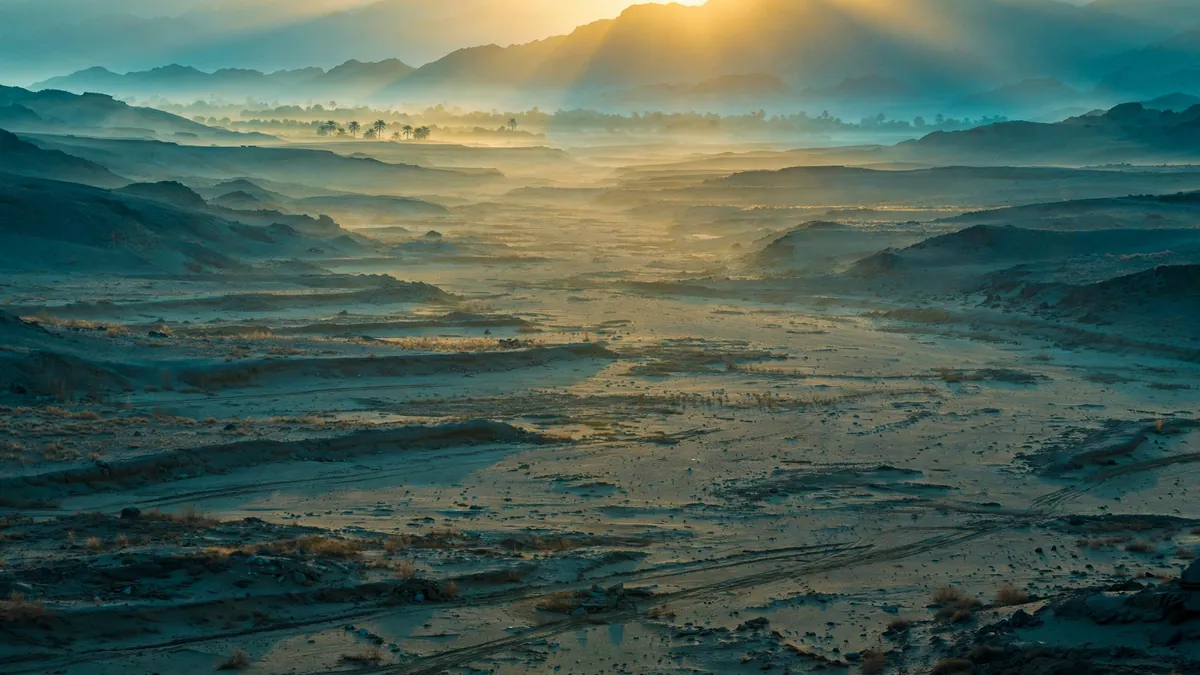
17 Ramadan, 2 AH (March 13, 624 CE): 313 poorly-equipped Muslims faced ~1,000 Quraysh warriors at the wells of Badr — and won a victory the Quran calls Yawm al-Furqan, the Day of Criterion.
Fourteen centuries later, Badr is still the reference point for what belief can do against impossible odds. It was the first full battle in Islamic history, the moment a persecuted community became a force the Quraysh could no longer ignore — and the Quran itself narrates it, verse by verse, in Surah Al-Anfal.
This account covers why Badr happened, the numbers on both sides, how the day unfolded, what the Quran says about it, what happened after the victory — and the lessons Muslims still draw from it today.
In brief: On 17 Ramadan 2 AH (624 CE), 313 lightly-armed Muslims defeated a Quraysh army of about 1,000 at the wells of Badr, southwest of Madinah. The Quran calls it Yawm al-Furqan — the Day of Criterion (8:41) — because it decisively separated truth from falsehood. Fourteen Muslims were martyred; 70 Quraysh were killed and 70 captured. Below: the causes, the battle, the Quranic account, and seven lessons for today.
Why Badr Happened
Badr was not a war of choice — it was the boiling point of thirteen years of persecution.
After the Hijrah, the Quraysh of Makkah did not simply let the Muslims go. They seized the property the emigrants had left behind, continued to persecute the few Muslims remaining in Makkah, and treated the new community in Madinah as an enemy to be crushed. The Quraysh also controlled the trade routes; a wealthy Quraysh caravan led by Abu Sufyan was returning from Syria, passing near Madinah.
The Prophet ﷺ decided to intercept the caravan — both as economic pressure on an enemy that had plundered Muslim wealth, and to recover what had been stolen. It was a raid on a caravan, not a pitched battle: the Muslim force that rode out was small, lightly armed, and expecting merchants, not an army.
But Abu Sufyan learned of the plan and diverted the caravan to the coast road, escaping safely. He then sent an urgent message to Makkah — and the Quraysh, who had been looking for an excuse to destroy Islam in one blow, marched out anyway with a full army of about a thousand men. When the Muslims learned that an army, not a caravan, was coming, the Prophet ﷺ consulted his companions. Their answer was unanimous: they would face the Quraysh. Badr was about to happen.
The Numbers
| Muslims | Quraysh | |
|---|---|---|
| Men | 313 (some narrations: 314 or 317) | ~1,000 |
| Horses | 2 | 100 |
| Camels | 70 (shared — 2 to 3 men per camel) | 700 |
| Armor & weapons | Minimal — many fought with whatever they had | Full armor, well-supplied |
The Quran captures the mismatch in one verse: “Remember when you were few and oppressed in the land, fearing that people might abduct you” (8:26).
The Road to Badr
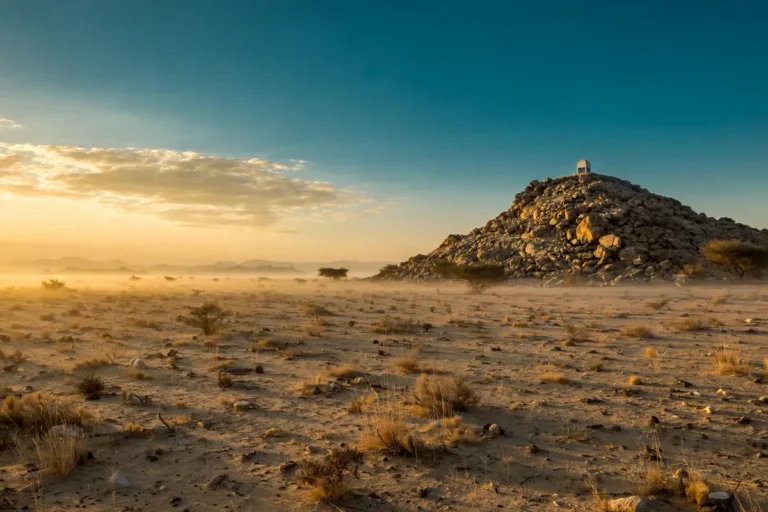
The two forces converged near Badr, a stopping point with wells on the caravan route southwest of Madinah. The Muslims arrived first and, on the advice of Hubab ibn al-Mundhir — a companion experienced in warfare — occupied the wells closest to the Quraysh position and filled in the rest, securing the water supply. The Prophet ﷺ accepted the advice immediately: one of the earliest examples of shura (consultation) in Islamic military history.
The night before the battle, rain fell. The Quran mentions it as a mercy: “He sent down rain from the sky to purify you, remove Satan’s whispers, strengthen your hearts, and make your steps firm” (8:11). For the Muslims on sandy ground, the rain firmed the earth under their feet; for the Quraysh, it turned their ground to mud.
The Battle: 17 Ramadan, 2 AH
The fighting began, as Arab custom dictated, with single combat. Three Quraysh champions rode out — Utbah ibn Rabi’ah, his brother Shaybah, and Utbah’s son al-Walid. Three Muslim champions answered: Hamza ibn Abd al-Muttalib (the Prophet’s ﷺ uncle) faced Utbah, Ali ibn Abi Talib faced al-Walid, and Ubaydah ibn al-Harith faced Shaybah. Hamza and Ali won quickly; Ubaydah was gravely wounded (he died of his wounds days later) after his opponents were killed.
Then the general battle erupted. The Prophet ﷺ prayed intensely through the night and morning, and the Quran describes the unseen support the Muslims received: “When you sought help from your Lord, He answered you: ‘I will reinforce you with a thousand angels, rank upon rank'” (8:9) — and “I will cast terror into the hearts of those who disbelieved” (8:12).
By midday it was over. The results were staggering:
- 70 Quraysh dead — including Abu Jahl, the fiercest enemy of Islam, killed by two young Ansari brothers, Mu’adh ibn Amr and Mu’adh ibn Afra, and finished by Abdullah ibn Mas’ud
- 70 Quraysh captured
- 14 Muslims martyred — 6 Muhajirun and 8 Ansar
An army three times larger, fully armed, had been routed by a force that the Quraysh had expected to crush by lunchtime.
What the Quran Says About Badr
Few events in the Seerah are narrated by revelation itself. Surah Al-Anfal (Chapter 8) was revealed around Badr, and it names the day directly:
- Yawm al-Furqan — “the Day of Criterion”: “…if you believe in Allah and what We sent down to Our servant on the Day of Criterion — the day the two armies met” (8:41). Badr distinguished truth from falsehood so clearly that no one could mistake it.
- Divine help, not numbers: “You did not kill them; it was Allah who killed them. You did not throw when you threw; it was Allah who threw” (8:17) — a verse revealed about the Prophet ﷺ throwing a handful of dust toward the enemy.
- Gratitude, not arrogance: “Allah had already helped you at Badr when you were weak. So be mindful of Allah, that you may be grateful” (3:123).
- The spoils: disputes over the war booty led to the revelation of 8:41 — one-fifth (khums) for Allah, the Messenger, relatives, orphans, the needy, and travelers; the rest for the fighters.
After the Victory: Mercy, Not Vengeance
What the Prophet ﷺ did after Badr may be the most instructive part of the story.
The prisoners were treated with dignity. They were fed the same food as their captors — some narrations mention the Ansar giving prisoners bread while eating dates themselves. Most were freed for ransom. Those who could not pay were offered a remarkable alternative: each literate prisoner could earn freedom by teaching ten Muslims to read and write — a policy that valued knowledge over revenge, attributed in the narrations of Ibn Abbas.
The martyrs were buried with honor, and the bodies of the Quraysh dead were placed in the dry well of Qalib. The Prophet ﷺ stood at the well and addressed them: “Have you found what your Lord promised to be true? We have found what our Lord promised to be true” (Sahih Muslim) — a moment of solemn closure, not gloating.
No vengeance, no plunder of the innocent. Badr became the proof that Islam wins through principle, not brutality — a standard the Prophet ﷺ would hold again at the conquest of Makkah eight years later.
Key Figures at Badr
| Figure | Role |
|---|---|
| Prophet Muhammad ﷺ | Commander; spent the night before in prayer |
| Abu Bakr as-Siddiq | At the Prophet’s ﷺ side throughout the battle |
| Hamza ibn Abd al-Muttalib | Killed Utbah ibn Rabi’ah in the opening duel |
| Ali ibn Abi Talib | Killed al-Walid ibn Utbah in the opening duel |
| Hubab ibn al-Mundhir | Advised occupying the wells — accepted via shura |
| Abu Jahl | Quraysh commander; killed in the battle |
| Abu Sufyan | Led the caravan that escaped; not at the battle itself |
7 Timeless Lessons from Badr
1. Preparation and reliance on Allah — never one without the other. The Muslims chose the ground, secured the water, and accepted military advice — then the Prophet ﷺ prayed all night. Tawakkul is not an excuse to skip planning.
2. Consult, even when you are the leader. The Prophet ﷺ — who received revelation — asked his companions’ opinion twice on the road to Badr and acted on Hubab’s advice. Shura is a principle, not a weakness.
3. Quality defeats quantity. 313 committed believers routed ~1,000. The Quran’s verdict: “How many a small company has overcome a large company by Allah’s permission” (2:249).
4. Victory is a test, not a trophy. Surah Al-Anfal immediately warns against arrogance after victory (8:17, 3:123). Success that breeds pride is a defeat in disguise.
5. Mercy in strength. The prisoner policy — literacy for freedom — turned enemies into teachers. How you treat the defeated defines you more than how you fought.
6. Stand for principle when the cost is real. The companions knew the odds and marched anyway. Badr is the Seerah’s answer to everyone who waits for “the right time” to stand up.
7. Allah’s help comes to those who move. The angels descended on an army that had already marched out, taken positions, and stood its ground. Divine aid met human effort — it did not replace it.
Frequently Asked Questions
When was the Battle of Badr?
The Battle of Badr took place on 17 Ramadan, 2 AH, corresponding to March 13, 624 CE — less than two years after the Hijrah to Madinah.
How many Muslims fought at Badr?
313 Muslims faced about 1,000 Quraysh fighters. Some narrations mention 314 or 317; 313 is the most widely cited figure. The Muslims had only 2 horses and 70 camels shared among them.
Why is Badr called Yawm al-Furqan (the Day of Criterion)?
The Quran itself gives Badr this title (8:41) because the victory so decisively separated truth from falsehood — “the day the two armies met.” After Badr, no one in Arabia could dismiss Islam as a passing movement.
How many people died at the Battle of Badr?
14 Muslims were martyred (6 Muhajirun, 8 Ansar). On the Quraysh side, 70 were killed — including Abu Jahl — and 70 were taken prisoner.
What happened to the prisoners of Badr?
They were treated with dignity and mostly freed for ransom. Prisoners who could not afford ransom were freed in exchange for teaching ten Muslims to read and write — one of history’s earliest literacy-for-freedom policies.
What was the most important result of Badr?
Militarily, it broke Quraysh’s aura of invincibility. But its deeper result was psychological and spiritual: a small, sincere community learned that with preparation, unity, and reliance on Allah, no odds are impossible — a lesson the Quran preserves permanently in Surah Al-Anfal.
Our sources & method: This account is drawn from the Quran (Surah Al-Anfal and Aal Imran), the major hadith collections (Bukhari, Muslim), and the classical Seerah works (Ibn Hisham, Ibn Kathir). Where narrations differ on a number, we note it. Read how we verify what we publish.