Is Doritos Halal? Ingredients, Flavors & The Real Answer (2026)
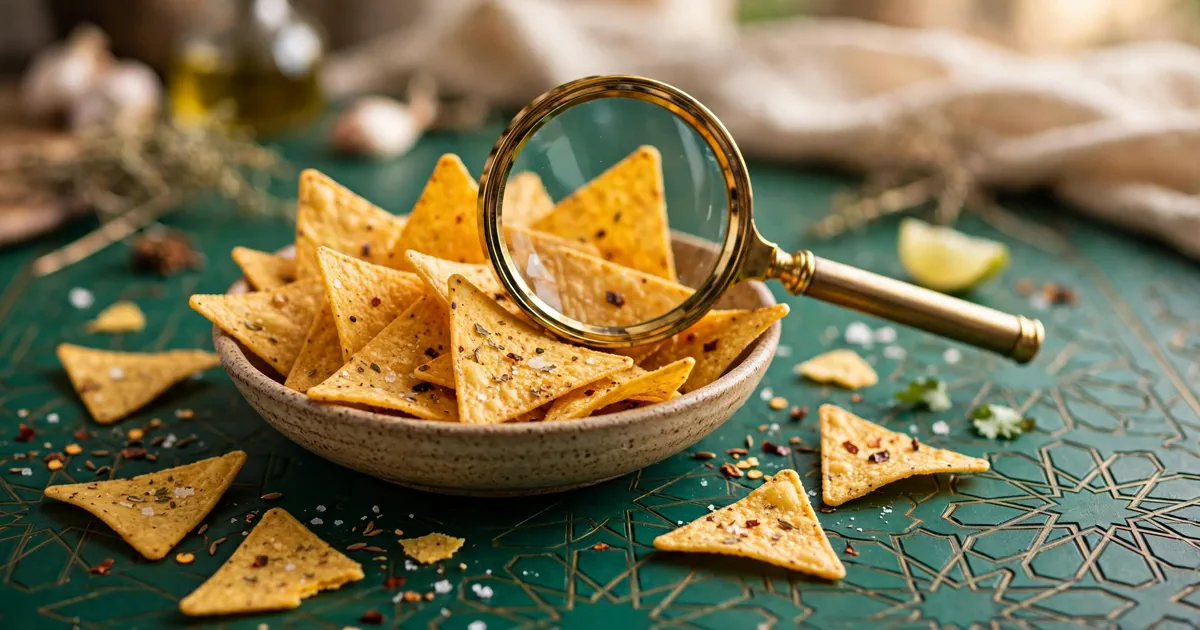
Short answer: No — Doritos sold in the USA are not halal. Frito-Lay (PepsiCo) confirms its US/UK/Canada Doritos are not halal-certified, and the cheese flavorings may contain animal-derived enzymes. One exception: Spicy Sweet Chili contains no cheese or animal ingredients, making it the only relatively safe flavor.
Why People Ask
Doritos are everywhere — parties, lunchboxes, late-night snacks. The base chip (corn, oil, salt) is fine. The problem is the flavor powder, which is where animal-derived ingredients hide. And because Frito-Lay won’t specify which enzymes go into which flavor, the doubt covers the whole cheese-flavored range.
The Evidence (Three Layers)
1. No halal certification. Frito-Lay has confirmed that Doritos in the USA, UK, and Canada carry no halal certification. This isn’t an oversight — when asked directly, the company stated its products in these markets are not halal-certified. (In some Muslim-majority countries like Indonesia, locally-made Doritos are certified — same brand, different factories, different supply chains, different ruling.)
2. The cheese problem. Most popular flavors (Nacho Cheese, Cool Ranch) list cheese, whey, cheddar, and “natural flavors.” Here’s what most people don’t realize: cheese cannot be made without rennet/enzymes to coagulate the milk. Those enzymes come from three possible sources:
- Microbial/vegetable → halal, no issue
- Beef (from halal-slaughtered cattle) → halal
- Beef (from non-halal slaughter) or pork → haram/doubtful
Manufacturers almost never disclose which type they use. Without halal certification, you cannot verify — and in Islamic law, unverifiable doubt about food defaults to avoidance when alternatives exist.
3. Frito-Lay admits porcine enzymes. Frito-Lay’s own website states that some of its seasoned snack products use porcine (pork-derived) enzymes for flavoring. They don’t specify which flavors. When a manufacturer admits pork enzymes somewhere in the seasoned-snack line and won’t say where, every cheese-flavored variant falls under genuine doubt.
The fiqh principle: “Leave what makes you doubt for what does not make you doubt” (Tirmidhi). This hadith is the foundation of the cautious position on doubtful foods.
Flavor-by-Flavor Breakdown (USA)
| Flavor | Contains Cheese/Animal Ingredients | Verdict |
|---|---|---|
| Nacho Cheese | Yes (cheddar, whey, romano) | Avoid |
| Cool Ranch | Yes (cheddar, whey, buttermilk) | Avoid |
| Spicy Nacho | Yes (cheddar, whey) | Avoid |
| Spicy Sweet Chili | No (no cheese/dairy listed) | Relatively safe |
| Salsa Verde | Seasoning blend — check label | Verify |
| Poppin’ Jalapeño | Yes (cheddar, whey) | Avoid |
| Dinamita variants | Varies by flavor | Check label |
Always re-check labels — formulations change without notice, and Frito-Lay reformulates quietly.
What About “Natural Flavors”?
This is the ingredient that deserves its own section, because it fools smart shoppers. Under US labeling law, “natural flavors” can legally include animal-derived flavor compounds — including enzymes. It’s a blanket term, not a guarantee of plant origin.
The rule of thumb: “natural flavors” + cheese/dairy flavoring + no halal certification = red flag, not a green light. In a certified-halal product, the certifier has already traced these. Without certification, you’re guessing.
What About Other Frito-Lay Snacks?
Since the enzyme question covers Frito-Lay’s seasoned-snack line broadly:
| Snack | Status |
|---|---|
| Cheetos (cheese flavors) | Same enzyme doubt as Doritos |
| Lay’s (plain/original) | Generally fine (potatoes, oil, salt) |
| Lay’s (flavored) | Check — some use cheese/whey |
| Fritos (original) | Generally fine |
| Ruffles (plain) | Generally fine |
| Smartfood Popcorn (cheddar) | Cheese flavoring — same doubt |
Plain, unflavored snacks are almost always safe. It’s the seasoning that creates the problem — across every brand, not just Doritos.
How to Verify Any Snack Yourself (3 Steps)
- Read the ingredient list — look for cheese, whey, rennet, enzymes, “natural flavors”
- Check for halal certification — IFANCA, HMC, or similar logo on the package
- Contact the manufacturer — Frito-Lay has a consumer contact line; ask specifically: “Are the enzymes in [flavor] microbial or animal-derived?” (They may not answer — which itself tells you something)
Halal-Certified Alternatives
You don’t have to give up tortilla chips:
- Late July — many flavors halal-certified (check package)
- Mission Tortilla Chips — plain varieties widely available
- Store-brand plain tortilla chips + your own seasoning (chili powder, lime, salt) — always safe, often cheaper
- Any chip with a recognized halal logo on the package
FAQs
Did Frito-Lay say Doritos contain pork?
Not exactly. They confirmed US Doritos are not halal-certified, and separately stated that some seasoned products use porcine enzymes — without naming which flavors. That combination is enough for genuine doubt.
Is Spicy Sweet Chili Doritos halal?
It contains no cheese or animal-derived ingredients per its label, making it the safest US option. Still not halal-certified, so the strictest observers avoid it too. When in doubt, choose certified.
Are Doritos halal in other countries?
Some are — Indonesia’s locally produced Doritos carry halal certification. The UK, Canada, and USA versions do not. Always check your country’s version; don’t assume.
What should I do if I ate them unknowingly?
Nothing is required — there is no sin in what was done unknowingly (“Allah has pardoned my ummah for mistakes and forgetfulness” — Ibn Majah). Just avoid going forward. No makeup (qada) is needed for food.
My kids eat these at school — what do I do?
Pack certified alternatives and teach them the simple rule: “no halal logo on cheese snacks = we skip it.” Kids understand clear rules better than ingredient lectures.
Does “suitable for vegetarians” mean halal?
No. Vegetarian products can still contain alcohol-based flavorings or non-halal-certified animal enzymes. Look for halal certification specifically.
Disclaimer: Educational purposes only — not a fatwa. Formulations change; always verify current labels.
About the author: Zakariya Shafi — Dars-e-Nizami (Wifaq-ul-Madaris), M.Phil (BZU Multan), 15 years teaching Islamic studies, 10 years in dawah.